The world of wine is vast and varied, but few regions have captured the imagination of connoisseurs quite like South Africa, and within its borders, the Pinotage grape stands as a unique testament to the country’s innovative spirit. Among the many factors that contribute to the distinct character of South African Pinotage, the use of oak barrels is perhaps the most transformative. The marriage of this bold, often divisive grape with the subtle complexities of oak creates wines that are both deeply rooted in tradition and unapologetically modern.
Pinotage, a cross between Pinot Noir and Cinsault, was born in South Africa in 1925, and it has since become the country’s signature red wine. Its profile is unmistakable—dark fruit, smoky undertones, and a sometimes wild, earthy edge. Yet, it is the influence of oak that tempers these robust characteristics, adding layers of vanilla, spice, and a polished structure. The choice of oak—French or American, new or used—plays a pivotal role in shaping the final product, and South African winemakers have honed their craft to perfection in this regard.
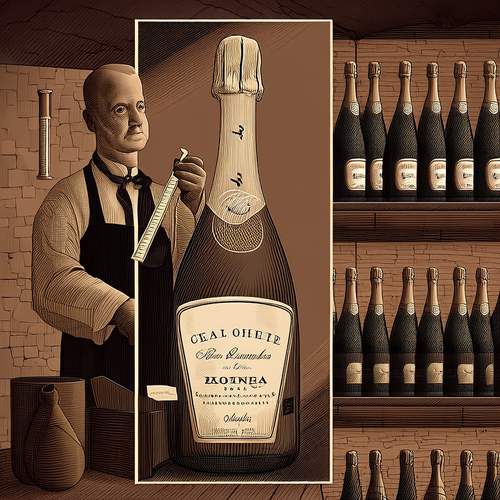
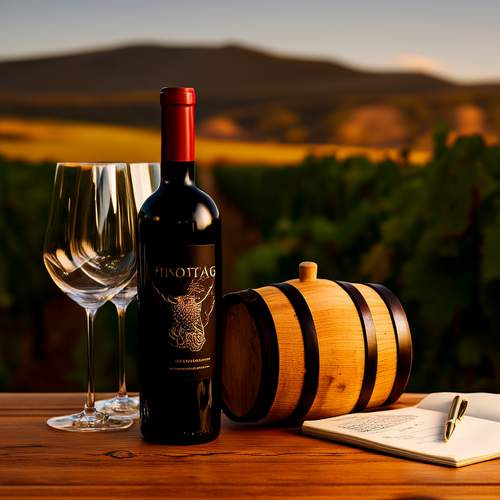
The journey of Pinotage into the barrel begins long before fermentation ends. Many producers opt for a combination of stainless steel and oak, allowing the wine to develop its primary fruit flavors before introducing the secondary nuances of wood. French oak, with its tight grain and elegant influence, is often favored for its ability to impart subtle notes of cedar and baking spices. American oak, on the other hand, tends to be more assertive, contributing sweeter tones of coconut and caramel. The decision between the two is never taken lightly, as it can dramatically alter the wine’s personality.
But it’s not just the origin of the oak that matters—the level of toast is equally critical. Light toasting preserves more of the wood’s natural flavors, while heavy toasting introduces deeper, smokier elements. For Pinotage, a medium toast is frequently chosen, striking a balance that enhances the wine’s inherent smokiness without overwhelming its fruit-forward core. Some avant-garde winemakers even experiment with different toast levels for separate batches, blending them later to achieve a harmonious complexity.
Aging duration is another variable that demands careful consideration. While some Pinotage wines spend as little as six months in barrel, others may mature for up to two years. Extended aging allows for greater integration of oak-derived tannins, resulting in a smoother, more refined mouthfeel. However, too much time in wood can mute the grape’s vibrant character, a pitfall that skilled winemakers deftly avoid. The best examples showcase a seamless fusion of fruit and oak, where neither dominates but instead elevates the other.
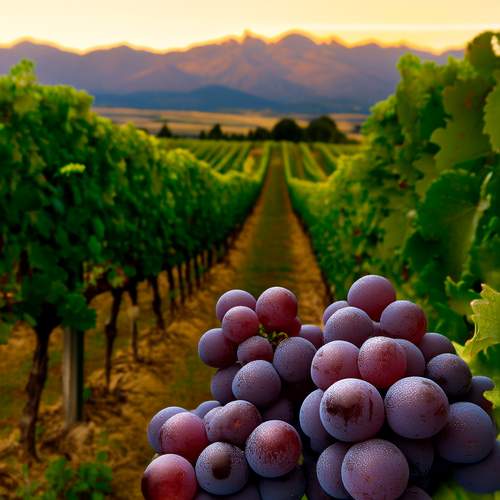
South Africa’s climate further complicates the oak equation. Warmer regions like Stellenbosch and Paarl produce riper, more concentrated Pinotage, which can handle—and even benefit from—a heavier oak presence. Cooler areas, such as Elgin, yield wines with higher acidity and more delicate fruit profiles, requiring a lighter touch with oak. This regional diversity ensures that no two South African Pinotage wines are exactly alike, each telling a story of its terroir and the hands that shaped it.
Beyond the technical aspects, there’s an almost philosophical dimension to the use of oak in Pinotage. For some, it represents a bridge between Old World tradition and New World innovation. For others, it’s a tool to challenge perceptions, proving that this once-maligned grape can produce wines of extraordinary depth and sophistication. Whatever the perspective, one thing is certain: the oak barrel is not merely a vessel but a co-creator in the life of South African Pinotage.
As global appreciation for South African wine grows, so too does the curiosity about what makes Pinotage so special. The answer, in no small part, lies in the alchemy of oak. From the forests of France to the cooperages of South Africa, each barrel imparts its own signature, leaving an indelible mark on the wine within. For those willing to explore, the rewards are rich—a symphony of flavors that could only come from this singular grape, this singular place.
By /May 26, 2025
By /May 26, 2025
By /May 26, 2025
By /May 26, 2025
By /May 26, 2025

By /May 26, 2025

By /May 26, 2025

By /May 26, 2025
By /May 26, 2025
By /May 26, 2025
By /May 26, 2025

By /May 26, 2025
By /May 26, 2025
By /May 26, 2025
By /May 26, 2025
By /May 26, 2025

By /May 26, 2025

By /May 26, 2025

By /May 26, 2025
By /May 26, 2025