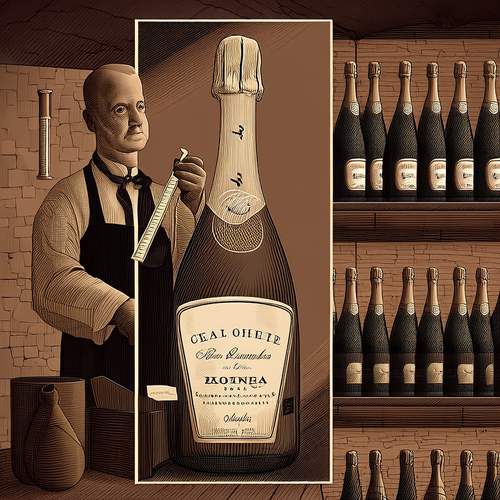
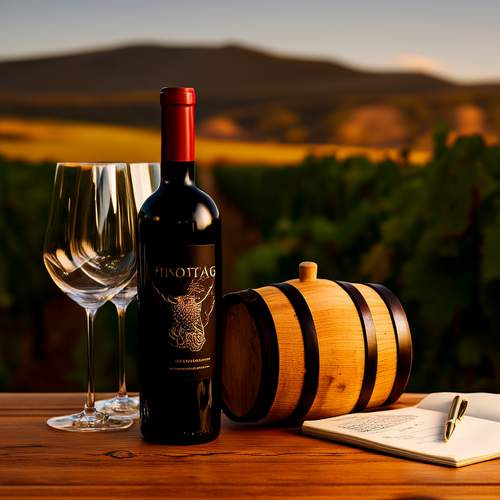
The art of crafting French Champagne is a delicate dance between tradition and precision, with the second fermentation standing as one of its most defining stages. Unlike still wines, Champagne undergoes a secondary fermentation inside the bottle, a process that not only creates its signature effervescence but also shapes its complex flavors and textures. This transformative step, known as prise de mousse, is where the magic truly happens, turning a still base wine into the sparkling elixir celebrated worldwide.
After the initial fermentation, the base wines are carefully blended to achieve the desired house style. Once the blend, or cuvée, is finalized, a mixture of sugar and yeast, called the liqueur de tirage, is added before the wine is bottled and sealed with a temporary crown cap. This is where the secondary fermentation begins. Over weeks and months, the yeast converts the added sugar into alcohol and carbon dioxide, which dissolves into the wine, creating those iconic bubbles. But this process is about more than just carbonation—it also contributes to the wine’s depth, imparting subtle bready, nutty, and toasty notes known as autolytic character.
The length of time the wine spends aging on its lees—the spent yeast cells—plays a crucial role in determining the final quality of the Champagne. While the legal minimum for non-vintage Champagne is 15 months, many prestigious houses age their wines far longer, sometimes for several years. This extended contact with the lees allows for greater complexity and a creamier texture, hallmarks of well-crafted Champagne. The yeast cells break down over time, releasing amino acids and other compounds that enrich the wine’s bouquet and mouthfeel.
Once the secondary fermentation and aging are complete, the next challenge is removing the yeast sediment from the bottle without losing the precious bubbles. This is achieved through a process called riddling, or rémiage, where the bottles are gradually tilted and rotated until they are nearly upside down, collecting the lees in the neck. In modern Champagne production, this is often done using gyropalettes—automated riddling machines—though some houses still employ skilled riddlers to perform the task by hand, a practice that speaks to the region’s deep respect for tradition.
The final step before corking is disgorgement, where the neck of the bottle is frozen, trapping the yeast sediment in a small ice plug. When the cap is removed, the pressure inside the bottle forces the plug out, leaving behind crystal-clear Champagne. A small amount of dosage—a mixture of wine and sugar—is then added to balance the acidity and adjust the sweetness level, whether the style is Brut, Extra Brut, or Demi-Sec. Only then is the wine sealed with its iconic cork and wire cage, ready to be enjoyed.
What makes Champagne’s second fermentation so remarkable is not just the science behind it, but the way it intertwines with the region’s heritage. Each bottle tells a story of patience, craftsmanship, and an unwavering commitment to excellence. From the meticulous blending to the slow aging on lees, every decision reflects a pursuit of perfection that has made Champagne the undisputed king of sparkling wines. Whether sipped at a celebration or savored as an aperitif, its effervescence is a testament to centuries of winemaking mastery.
By /May 26, 2025
By /May 26, 2025
By /May 26, 2025
By /May 26, 2025
By /May 26, 2025

By /May 26, 2025
By /May 26, 2025
By /May 26, 2025
By /May 26, 2025
By /May 26, 2025
By /May 26, 2025
By /May 26, 2025
By /May 26, 2025
By /May 26, 2025
By /May 26, 2025
By /May 26, 2025
By /May 26, 2025
By /May 26, 2025
By /May 26, 2025
By /May 26, 2025