The art of crafting Spanish sangria is a time-honored tradition that goes far beyond simply mixing wine with fruit. At its heart lies the process of maceration—a technique that transforms ordinary ingredients into a vibrant, flavorful concoction. Unlike quick mixes, true sangria demands patience, allowing the flavors to meld and deepen over time. The magic happens when fresh fruits, spices, and spirits mingle with wine, creating a drink that is greater than the sum of its parts.
Maceration is the soul of sangria. Without it, you’re left with little more than fruit-flavored wine. The process involves soaking chopped citrus, berries, and other seasonal fruits in wine, often with a touch of brandy or liqueur, for several hours or even overnight. This slow infusion allows the fruit’s natural juices and sugars to seep into the wine, while the alcohol gently extracts deeper flavors from the fruit’s flesh and peel. The result is a harmonious blend where no single ingredient overpowers the others.
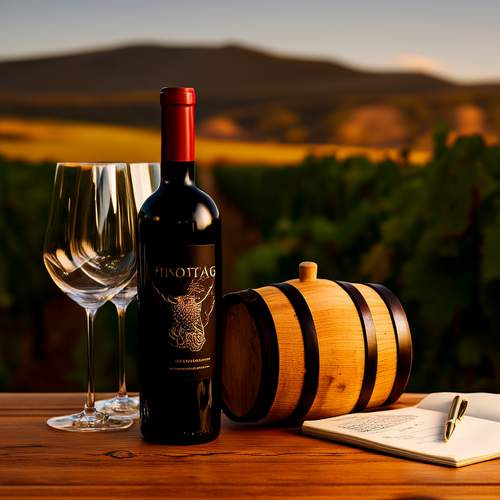
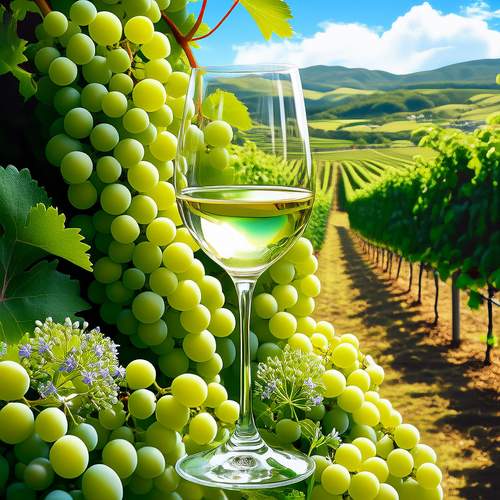
The choice of wine is crucial. While many opt for a cheap red as the base, traditional recipes often call for young, fruity Spanish wines like Rioja or Tempranillo. These wines have enough acidity to balance the sweetness of the fruit without becoming cloying. Some variations use white or rosé, particularly in coastal regions where lighter sangrias are favored during the hotter months. Regardless of the type, the wine should never be of such low quality that you wouldn’t drink it on its own.
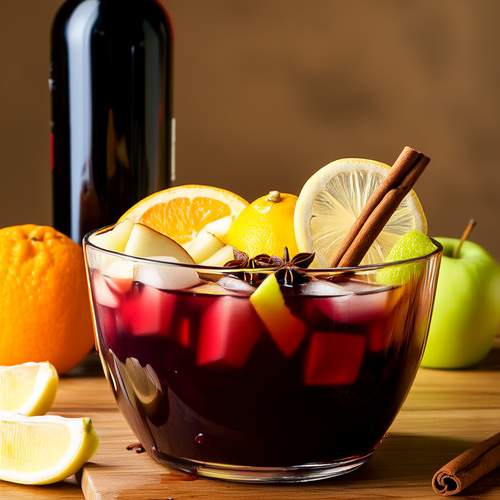
Citrus is the backbone of most sangria recipes. Oranges and lemons are staples, their bright acidity cutting through the wine’s tannins. But the real secret lies in how they’re prepared. Thinly sliced citrus, including the peel, releases essential oils that add complexity. Some recipes call for gently muddling the fruit to jumpstart the maceration, while others prefer a more hands-off approach, letting time do the work. Pineapple, peaches, and apples often make appearances, each contributing their own textures and flavors.
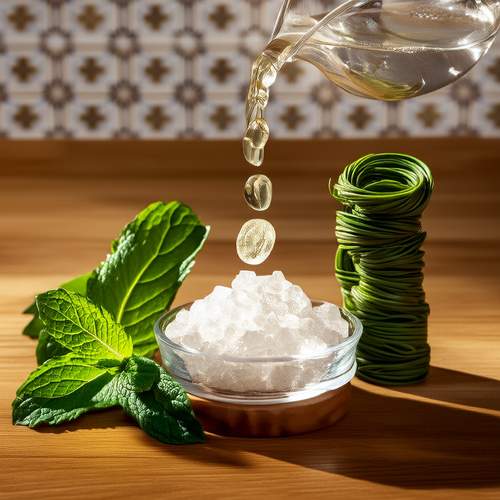
Sweeteners are a point of contention among purists. Traditional sangria often relies solely on the natural sugars from fruit, but many modern recipes incorporate honey, simple syrup, or even soda. If added, sweeteners should be used sparingly—just enough to enhance the fruit, not mask it. A splash of orange liqueur or brandy can elevate the drink without making it overly alcoholic. The goal is balance: a sangria that’s refreshing but not saccharine, spirited but not harsh.
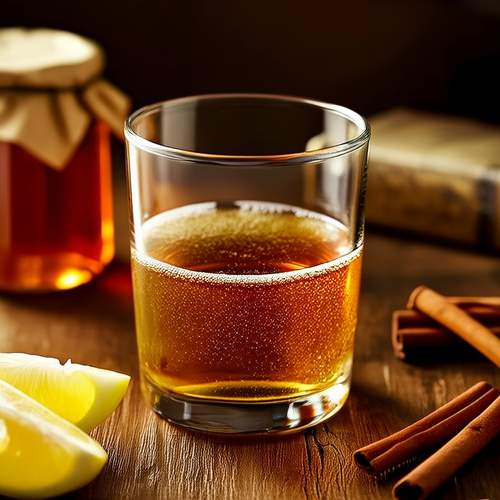
Spices play a subtle yet vital role. Cinnamon sticks are common, infusing the sangria with warmth without overwhelming the fruit. Some recipes include star anise or vanilla for depth, while others keep it simple with just a hint of freshly grated nutmeg. These spices should complement, not dominate. A single cinnamon stick can work wonders over several hours of maceration, whereas ground spices can turn the drink murky if left too long.
Timing is everything. A hastily assembled sangria will taste disjointed, with the wine and fruit flavors remaining separate. Ideally, the mixture should rest for at least four hours, though overnight maceration yields the most cohesive results. The fruit softens, the flavors marry, and the sangria develops a rounded, almost velvety texture. Stirring occasionally helps distribute the flavors evenly, ensuring every glass is consistent.
Presentation matters nearly as much as preparation. Sangria is traditionally served in a pitcher or large bowl with ample fruit visible, often over ice to keep it chilled. Some Spanish households add a final flourish just before serving—a splash of sparkling water or soda for effervescence, or a drizzle of aged rum for depth. Garnishes like fresh mint or a dusting of cinnamon can make the drink as visually appealing as it is delicious.
The regional variations across Spain are fascinating. In the south, sangria might feature tropical fruits like mango or guava, reflecting the influence of nearby Africa. Northern versions often stick to heartier apples and pears, sometimes with a dash of local cider. Coastal areas might incorporate seafood-friendly white wines and lighter fruits. Each variation speaks to its environment, proving that sangria is as adaptable as it is timeless.
Despite its simplicity, sangria is often misunderstood outside Spain. Premade bottled versions and overly sweet bar concoctions have diluted its reputation. Yet when made with care—respecting the maceration process and using quality ingredients—it remains one of the most sociable and satisfying drinks. It’s not just a beverage; it’s a celebration of patience, seasonality, and shared moments.
Ultimately, the best sangria is the one that brings people together. Whether enjoyed at a bustling Barcelona tapas bar or a quiet backyard gathering, its true magic lies in its ability to foster connection. The fruits may change with the seasons, the wines may vary by region, but the spirit of sangria—a drink meant to be shared—remains constant. That, perhaps, is the most important ingredient of all.
By /May 26, 2025
By /May 26, 2025
By /May 26, 2025
By /May 26, 2025
By /May 26, 2025

By /May 26, 2025

By /May 26, 2025
By /May 26, 2025
By /May 26, 2025
By /May 26, 2025
By /May 26, 2025
By /May 26, 2025
By /May 26, 2025
By /May 26, 2025
By /May 26, 2025
By /May 26, 2025
By /May 26, 2025

By /May 26, 2025
By /May 26, 2025
By /May 26, 2025