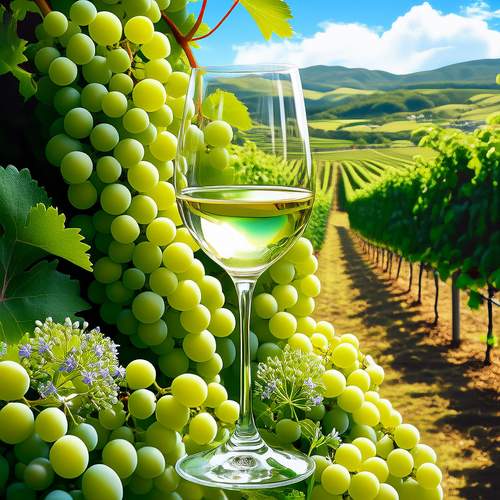
The world of German Riesling is a fascinating one, particularly when it comes to the topic of residual sugar. Unlike many other white wines, Riesling has the unique ability to showcase a wide spectrum of sweetness levels, from bone-dry to lusciously sweet. This versatility is one of the reasons why Riesling has captivated wine enthusiasts for centuries. The residual sugar in these wines is not just a matter of taste—it’s a reflection of terroir, winemaking philosophy, and even cultural identity.
Understanding residual sugar in German Riesling requires a dive into the country’s winemaking traditions. Germany’s cool climate and long growing season allow Riesling grapes to develop high acidity while retaining natural sugars. Winemakers often halt fermentation before all the sugar is converted to alcohol, preserving a portion of it in the finished wine. This technique creates a delicate balance between sweetness and acidity, a hallmark of great Riesling. The result is a wine that can be both refreshing and complex, with layers of flavor that unfold on the palate.
One of the most intriguing aspects of German Riesling is the way residual sugar interacts with the wine’s natural acidity. High acidity can make even a sweet Riesling taste vibrant and lively, preventing it from becoming cloying. This interplay is what sets German Riesling apart from sweeter wines produced in warmer climates. The sugar doesn’t dominate; instead, it harmonizes with the wine’s other elements, creating a seamless and elegant drinking experience.
The classification system for German Riesling can be confusing, but it’s essential for understanding residual sugar levels. Terms like Kabinett, Spätlese, and Auslese indicate the ripeness of the grapes at harvest, which often correlates with sweetness. However, modern winemakers are increasingly producing dry (Trocken) versions of these styles, adding another layer of complexity. This shift reflects changing consumer preferences and a growing appreciation for the versatility of Riesling.
Regional differences also play a significant role in the residual sugar levels of German Riesling. The Mosel region, with its steep slate slopes, is renowned for producing wines with pronounced sweetness and razor-sharp acidity. In contrast, regions like the Pfalz or Rheingau often yield drier styles with more weight and structure. These variations highlight the diversity of German Riesling and the importance of terroir in shaping the wine’s character.
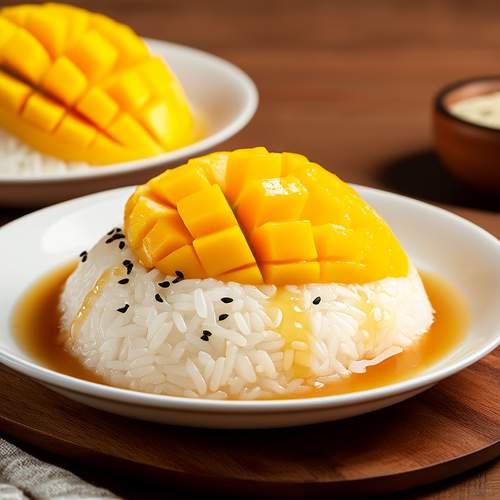
For many wine lovers, the sweetness of German Riesling is a gateway to exploring food pairings. Off-dry Rieslings, with their hint of residual sugar, are incredibly versatile at the table. They can complement spicy Asian dishes, balance the richness of foie gras, or even stand up to the tanginess of goat cheese. The key is the wine’s acidity, which cuts through fat and cleanses the palate. This adaptability makes German Riesling a favorite among sommeliers and chefs alike.
The perception of sweetness in German Riesling has evolved over time. In the past, many consumers associated Riesling with cloyingly sweet wines, often overlooking the drier styles. Today, there’s a growing recognition of the quality and complexity of both sweet and dry German Rieslings. Winemakers are embracing this diversity, crafting wines that appeal to a broad range of tastes while staying true to their regional roots.
Climate change is another factor influencing residual sugar levels in German Riesling. Warmer temperatures are leading to riper grapes, which can result in higher natural sugars. Some winemakers are adapting by harvesting earlier to preserve acidity, while others are experimenting with extended hang times to produce richer, sweeter wines. This dynamic interplay between tradition and innovation ensures that German Riesling remains at the forefront of the wine world.
Ultimately, the residual sugar in German Riesling is more than just a technical detail—it’s a defining feature of the wine’s identity. Whether you prefer a bone-dry Grosses Gewächs or a honeyed Beerenauslese, there’s a German Riesling to suit every palate. The beauty of these wines lies in their ability to express both place and craftsmanship, offering a taste of Germany’s rich winemaking heritage in every glass.
By /May 26, 2025
By /May 26, 2025
By /May 26, 2025
By /May 26, 2025
By /May 26, 2025

By /May 26, 2025

By /May 26, 2025
By /May 26, 2025
By /May 26, 2025
By /May 26, 2025
By /May 26, 2025

By /May 26, 2025
By /May 26, 2025
By /May 26, 2025
By /May 26, 2025
By /May 26, 2025

By /May 26, 2025
By /May 26, 2025
By /May 26, 2025
By /May 26, 2025