Tannins in Carmenere Grapes from Chile

May 26, 2025 By

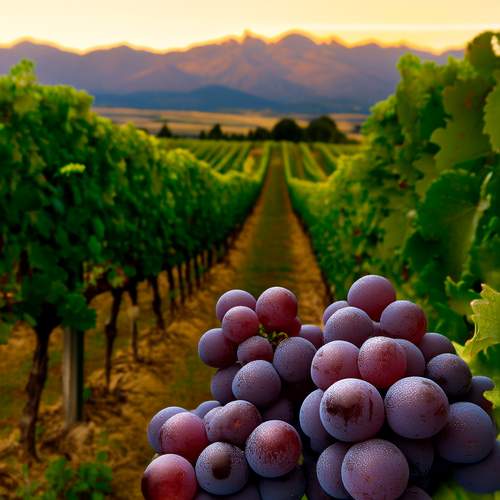
The Carménère grape, once thought to be extinct, has found a second life in Chile, where it thrives in the country’s diverse microclimates. Among the many characteristics that define this varietal, tannin structure stands out as a key element shaping its identity. Unlike its Bordeaux relatives, Carménère’s tannins are often softer, rounder, and more integrated, offering a unique drinking experience that has captivated wine enthusiasts worldwide.

When discussing tannins in Carménère, it’s essential to understand how they develop in the grape. Tannins are polyphenolic compounds found in the skins, seeds, and stems of grapes, contributing to the wine’s texture, bitterness, and aging potential. In Carménère, the tannins tend to be riper and more velvety compared to Cabernet Sauvignon or Merlot, largely due to Chile’s extended growing season. The warm days and cool nights allow the grapes to achieve full phenolic ripeness without excessive harshness, resulting in a smoother mouthfeel.

Climate plays a pivotal role in shaping the tannin profile of Carménère. The grape’s late-ripening nature means it requires a long, temperate growing season—something Chile’s Central Valley provides in abundance. Regions like Colchagua and Maipo are particularly well-suited, offering just the right balance of heat and cooling influences from the Pacific Ocean and Andes Mountains. This balance ensures that the tannins mature gradually, avoiding the green, astringent qualities that can plague underripe Carménère.

Winemaking techniques further influence how tannins express themselves in the final wine. Many Chilean producers opt for extended maceration periods, allowing the juice more contact with the skins to extract softer, more refined tannins. Others use micro-oxygenation to help polymerize tannins, making them feel even smoother on the palate. The use of oak—whether French or American—also contributes, adding another layer of complexity by introducing subtle vanilla and spice notes that complement Carménère’s inherent peppery character.

One of the most fascinating aspects of Carménère’s tannins is their evolution over time. While some red wines with aggressive tannins require years of cellaring to mellow, Carménère is often approachable earlier in its life. That said, the best examples can age gracefully, with their tannins integrating further and developing secondary flavors of leather, tobacco, and dried fruit. This duality—being both drinkable young and capable of aging—makes Carménère a versatile choice for collectors and casual drinkers alike.

Consumer preferences have also shifted toward wines with softer tannins, and Carménère fits this trend perfectly. Its accessibility makes it an excellent gateway red for those new to full-bodied wines, while its depth keeps seasoned drinkers engaged. As Chilean winemakers continue to refine their techniques, the expression of Carménère’s tannins will likely become even more nuanced, solidifying its place as one of South America’s most distinctive and beloved varietals.
Recommend Posts
Food

Maintaining the Crispiness of Indian Pani Puri

By /May 26, 2025

The irresistible crunch of Pani Puri is what sets this beloved Indian street food apart. That first bite, where the crisp shell shatters to release a burst of flavored water, is nothing short of magical. But achieving and maintaining that perfect crispness is both an art and a science, requiring attention to ingredients, technique, and timing.
Food

Starch Gelatinization Degree in New York Bagel Boiling Process

By /May 26, 2025

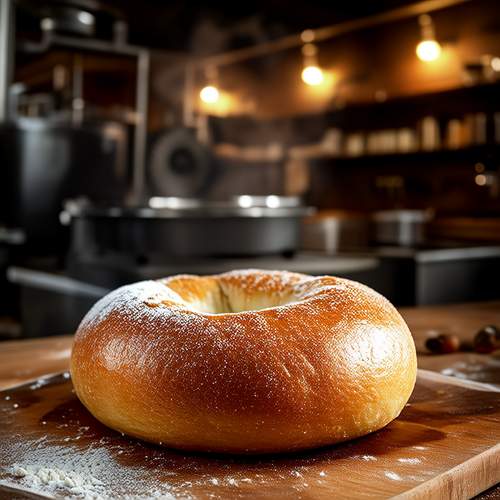
The New York bagel stands as an icon of culinary tradition, its chewy texture and glossy crust the result of a time-honored process that hinges on one critical step: boiling. At the heart of this technique lies the science of starch gelatinization, a transformation that defines the bagel’s unique character. Unlike other breads that go straight into the oven, the bagel’s brief plunge into boiling water sets off a chain of reactions that elevate it from mere dough to a cultural phenomenon.
Food

Emulsification Stability of Coconut Milk in Thai Mango Sticky Rice

By /May 26, 2025

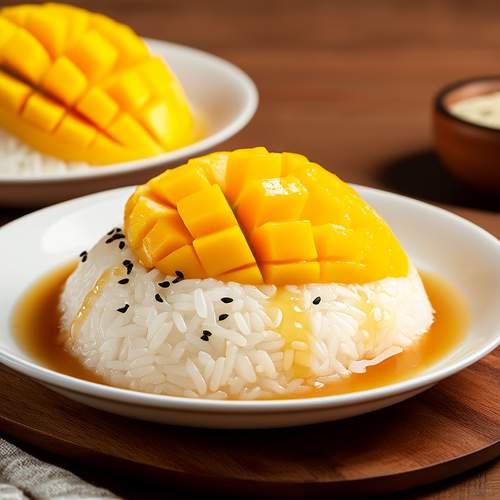
The allure of Thai mango sticky rice lies not just in its harmonious blend of sweet, creamy, and fragrant elements but also in the delicate science behind its signature coconut sauce. At the heart of this iconic dessert is the emulsification stability of coconut cream—a factor that dictates texture, mouthfeel, and overall sensory appeal. While the dish appears deceptively simple, achieving the perfect consistency in the coconut sauce requires an understanding of colloidal chemistry, ingredient interactions, and traditional techniques that have been refined over generations.
Food

Spanish Sangria Soaking

By /May 26, 2025

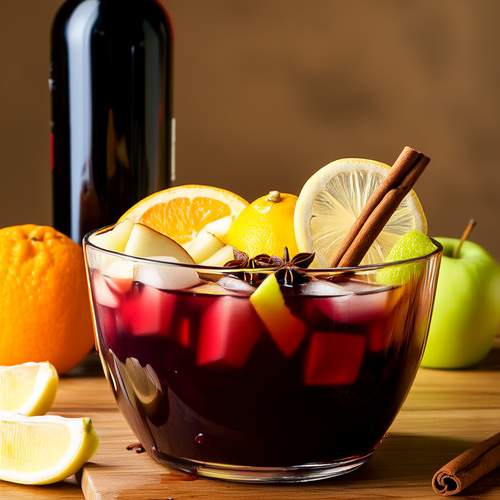
The art of crafting Spanish sangria is a time-honored tradition that goes far beyond simply mixing wine with fruit. At its heart lies the process of maceration—a technique that transforms ordinary ingredients into a vibrant, flavorful concoction. Unlike quick mixes, true sangria demands patience, allowing the flavors to meld and deepen over time. The magic happens when fresh fruits, spices, and spirits mingle with wine, creating a drink that is greater than the sum of its parts.
Food

Secondary Fermentation of French Champagne

By /May 26, 2025

The art of crafting French Champagne is a delicate dance between tradition and precision, with the second fermentation standing as one of its most defining stages. Unlike still wines, Champagne undergoes a secondary fermentation inside the bottle, a process that not only creates its signature effervescence but also shapes its complex flavors and textures. This transformative step, known as prise de mousse, is where the magic truly happens, turning a still base wine into the sparkling elixir celebrated worldwide.
Food

Residual Sugar in German Riesling

By /May 26, 2025

The world of German Riesling is a fascinating one, particularly when it comes to the topic of residual sugar. Unlike many other white wines, Riesling has the unique ability to showcase a wide spectrum of sweetness levels, from bone-dry to lusciously sweet. This versatility is one of the reasons why Riesling has captivated wine enthusiasts for centuries. The residual sugar in these wines is not just a matter of taste—it’s a reflection of terroir, winemaking philosophy, and even cultural identity.
Food

Bitterness Value of Czech Beer

By /May 26, 2025

The world of Czech beer is renowned for its rich history, traditional brewing methods, and distinctive flavors. Among the many characteristics that define Czech beers, bitterness stands out as a key element that shapes their identity. The bitterness in beer, measured in International Bitterness Units (IBU), plays a crucial role in balancing the malt sweetness and creating a harmonious taste profile. Czech brewers have mastered the art of incorporating bitterness into their beers, resulting in a range of styles that cater to diverse palates.
Food

Fermentation of Polish Mead

By /May 26, 2025

Polish mead, often referred to as "the drink of kings," has a rich history deeply intertwined with the country's cultural and culinary traditions. This ancient fermented honey beverage has been enjoyed for centuries, with its roots tracing back to medieval times. The fermentation process of Polish mead is a delicate art, combining natural ingredients with time-honored techniques to create a drink that is both complex and uniquely flavorful.
Food

Yeast in Russian Kvass

By /May 26, 2025

In the heart of Russian culinary tradition lies a beloved beverage that has quenched thirst and warmed souls for centuries: kvass. This fermented drink, often made from rye bread, carries a distinct tangy flavor that is both refreshing and deeply cultural. Among the many elements that contribute to its unique character, the yeast used in its fermentation process plays a pivotal role. Russian kvass yeast is not just an ingredient; it is a bridge between history, science, and the art of brewing.
Food

Spices for Turkish Apple Tea

By /May 26, 2025

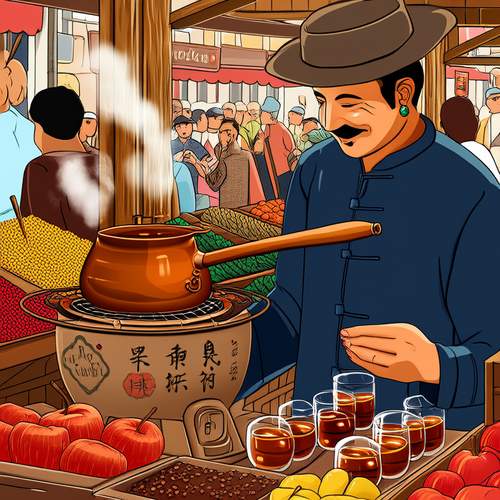
In the bustling bazaars of Istanbul, amid the vibrant colors and intoxicating aromas, one scent stands out with its comforting warmth—Turkish apple tea. This beloved beverage, known as "elma çayı" in Turkish, is more than just a drink; it’s a cultural experience. While the sweet-tart flavor of apples takes center stage, it’s the intricate blend of spices that elevates this tea to something truly magical. The spices used in Turkish apple tea are carefully selected to create a harmonious balance, each contributing its own unique note to the symphony of flavors.
Food

Cold Brew Time for Egyptian Hibiscus Tea

By /May 26, 2025

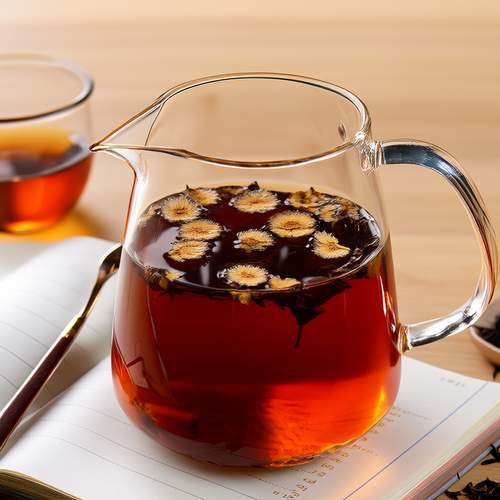
The art of cold brewing Egyptian hibiscus tea is a delicate process that requires patience, precision, and an understanding of how time influences flavor. Unlike traditional hot brewing methods, cold extraction allows for a slower, more nuanced release of the tea's natural compounds. This results in a smoother, less acidic beverage with a vibrant ruby-red hue and a complex balance of tart and sweet notes. For those seeking the perfect cup, mastering the cold brew timeline is essential.
Food

Moroccan Mint Tea Sugar Crystals

By /May 26, 2025

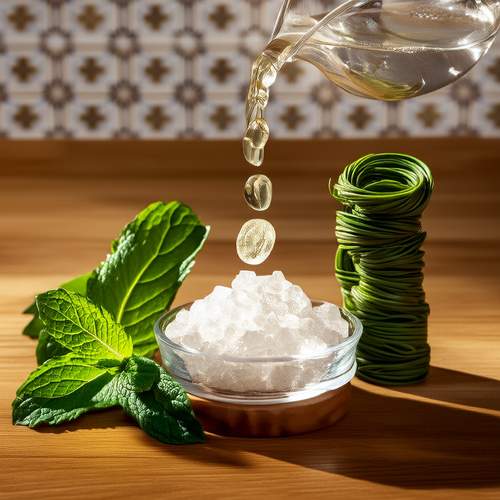
The art of preparing Moroccan mint tea is a ritual steeped in tradition, a delicate dance of flavors that has been perfected over centuries. At the heart of this ritual lies an often-overlooked yet essential element: the sugar crystals. These tiny, glistening granules are far more than mere sweeteners; they are the silent architects of balance in a brew that marries the sharp freshness of mint with the robustness of gunpowder green tea.
Food

Oak Barrels from Pinotage in South Africa

By /May 26, 2025

The world of wine is vast and varied, but few regions have captured the imagination of connoisseurs quite like South Africa, and within its borders, the Pinotage grape stands as a unique testament to the country’s innovative spirit. Among the many factors that contribute to the distinct character of South African Pinotage, the use of oak barrels is perhaps the most transformative. The marriage of this bold, often divisive grape with the subtle complexities of oak creates wines that are both deeply rooted in tradition and unapologetically modern.
Food

Argentinian Mate Tea Metal Straw

By /May 26, 2025

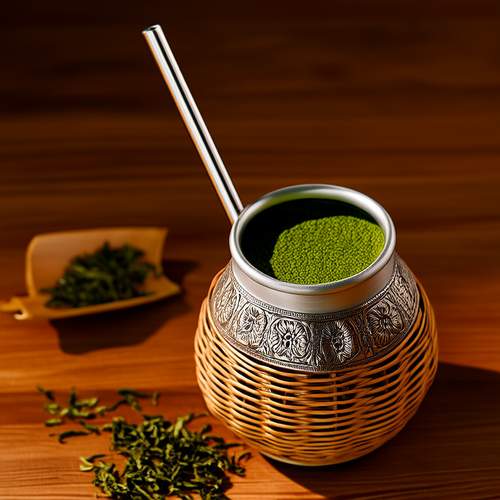
The tradition of drinking yerba mate in Argentina is deeply rooted in the country's culture, and the bombilla, the metal straw used to sip the herbal infusion, plays a crucial role in the ritual. Unlike ordinary straws, the bombilla is a finely crafted utensil, often made from stainless steel, silver, or alpaca, designed with a filter at the bottom to strain the yerba mate leaves. Its design is both functional and symbolic, reflecting the communal and ceremonial aspects of mate drinking.
Food

Tannins in Carmenere Grapes from Chile

By /May 26, 2025

The Carménère grape, once thought to be extinct, has found a second life in Chile, where it thrives in the country’s diverse microclimates. Among the many characteristics that define this varietal, tannin structure stands out as a key element shaping its identity. Unlike its Bordeaux relatives, Carménère’s tannins are often softer, rounder, and more integrated, offering a unique drinking experience that has captivated wine enthusiasts worldwide.
Food

Sulfide Control in New Zealand Sauvignon Blanc

By /May 26, 2025

The distinctive pungent, herbaceous notes of New Zealand Sauvignon Blanc have captivated wine lovers worldwide. These signature aromas, often described as passionfruit, gooseberry, or freshly cut grass, owe much to volatile thiol compounds. However, winemakers face a delicate balancing act with sulfur compounds – while some contribute to the variety's famous character, others can lead to undesirable reductive aromas at higher concentrations.
Food

Microfoam of Australian Flat White

By /May 26, 2025

The Flat White, a coffee beverage that has become synonymous with Australian café culture, is often celebrated for its simplicity and depth of flavor. At the heart of this drink lies a delicate yet defining characteristic: its microfoam. Unlike the frothy cappuccino or the airy latte, the Flat White’s microfoam is a velvety, almost liquid-like layer that seamlessly integrates with the espresso beneath. This texture is not just a matter of aesthetics—it’s a carefully crafted element that elevates the entire drinking experience.
Food

Enzymatic Metabolites of Indonesian Kopi Luwak

By /May 26, 2025

The world of specialty coffee has long been fascinated by the unique flavors of Indonesian kopi luwak, commonly known as civet coffee. Beyond its controversial production methods, recent scientific inquiries have shifted focus toward the enzymatic metabolites responsible for its distinctive taste profile. These biochemical transformations occur during the digestive process of the Asian palm civet, where endogenous enzymes interact with coffee cherry compounds in ways that challenge conventional fermentation theories.
Food

Low-Temperature Roasting of Malaysian White Coffee

By /May 26, 2025

In the bustling coffee culture of Southeast Asia, Malaysian white coffee stands out as a unique and beloved brew. Unlike its darker, more robust counterparts, this aromatic beverage owes its distinctive flavor profile to a meticulous low-temperature roasting process. The art of crafting authentic white coffee has been passed down through generations, preserving a tradition that balances subtlety and complexity in every sip.
Food

Vietnamese Egg Yolk Foam Coffee

By /May 26, 2025

In the bustling streets of Hanoi, where the aroma of strong Vietnamese coffee lingers in the air, a unique concoction has captured the hearts of locals and travelers alike—egg coffee, or cà phê trứng. At the heart of this indulgent beverage lies its crowning glory: the velvety, golden yolk foam that sits atop the dark, robust brew. This delicate yet rich foam is what sets Vietnamese egg coffee apart, transforming a simple drink into a luxurious experience.