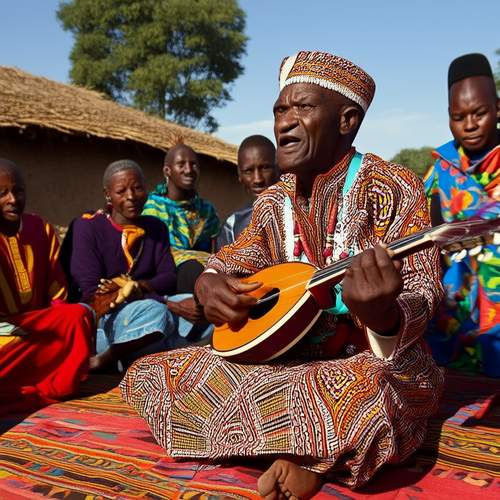
The griot tradition of West Africa represents one of the continent's most enduring and vibrant oral art forms. These hereditary bards have served as living libraries for centuries, preserving history, genealogy, and cultural wisdom through their mesmerizing performances. Unlike written records that gather dust on shelves, the griot's knowledge pulses with life through rhythmic speech, melodic kora playing, and the call-and-response participation of audiences. Their performances transform historical events into dramatic narratives where facts intertwine with philosophy, where ancestral deeds become moral compasses for contemporary life.
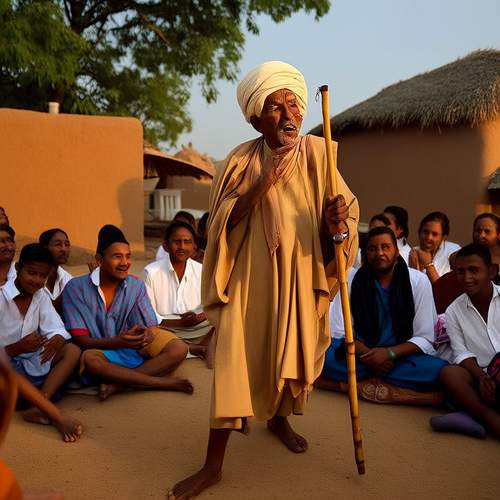
In the moonlit courtyards of Mali or the bustling market squares of Senegal, griots command attention not through volume but through the sheer power of their delivery. A master griot might spend hours recounting the Sundiata Epic, the foundational narrative of the Mali Empire, making the 13th-century story feel as immediate as today's news. The griot doesn't merely recite - they embody the characters, shifting voices for different speakers, using their entire body as an instrument of storytelling. When a griot sings of Sundiata Keita's victory at the Battle of Kirina, listeners don't just hear about the event; they experience the tension, smell the sweat of warriors, and feel the ground shake beneath charging cavalry.
The griot's role extends far beyond entertainment. In traditional societies, no important ceremony - whether a naming ritual, wedding, or coronation - occurs without their presence. Their words carry the weight of collective memory, binding communities to their past while guiding them toward the future. A griot might spend years mastering the intricate genealogies of prominent families, able to trace lineages back twenty generations or more. This knowledge gives them unique social power; to have one's ancestors praised by a griot confers status, while their subtle criticisms can damage reputations.
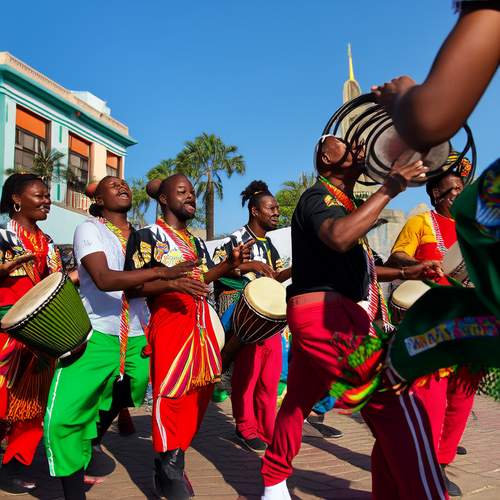
Musical instruments serve as the griot's constant companions in this transmission of culture. The kora's twenty-one strings create cascading patterns beneath historical narratives, while the balafon's wooden keys provide rhythmic punctuation to epic tales. These aren't mere accompaniments but active participants in the storytelling process. The ngoni lute might mimic the sound of galloping horses during battle descriptions, or the tama talking drum could translate the griot's words into coded rhythms for distant listeners. This multisensory approach creates what scholars call "total theater," where history becomes a visceral experience rather than dry facts.
Contemporary griots navigate a delicate balance between preservation and innovation. In urban centers from Bamako to Dakar, younger generations of griots incorporate microphones and amplifiers while maintaining traditional performance practices. Some collaborate with hip-hop artists, finding common ground in their shared emphasis on lyrical prowess and social commentary. The late Malian guitarist Ali Farka Touré often spoke of adapting griot techniques to his blues-influenced style, proving the tradition's adaptability across genres and generations.
The digital age presents both challenges and opportunities for griot culture. While some fear that smartphones and streaming platforms might dilute oral traditions, others harness these tools to reach global audiences. Platforms like YouTube host performances that would have once been confined to village gatherings, allowing the diaspora to maintain cultural connections. Smart griots now record their family's repertoire not just in memory but as digital archives, ensuring preservation even as lifestyles change. This technological adaptation follows a long tradition of griots evolving with the times while maintaining their core purpose.
Academic interest in griot traditions has surged in recent decades, with scholars recognizing their sophisticated narrative structures. The griot's approach to history differs markedly from Western academic models - events aren't presented as isolated facts but as interconnected threads in a larger moral tapestry. When a griot recounts the fall of the Ghana Empire, they might connect it to contemporary political lessons about arrogance and greed. This living historiography challenges conventional distinctions between past and present, treating time as cyclical rather than linear.
Tourism has created new performance contexts that sometimes distort traditional practices. Some griots catering to foreign audiences compress hours-long epics into fifteen-minute highlights, emphasizing spectacular elements over nuanced storytelling. Yet many maintain integrity by educating visitors about the deeper meanings behind their art. In cities like Saint-Louis, Senegal, hybrid performances have emerged where griots explain their techniques between musical pieces, creating intercultural dialogue while preserving artistic authenticity.
The griot's endurance across seven centuries of African history speaks to their cultural resilience. From royal courts to refugee camps, from village squares to international festivals, these custodians of memory continue adapting while maintaining their essential role. As Africa confronts modernization's challenges, the griot remains both anchor and compass - preserving identity while helping communities navigate change. Their stories remind us that history isn't merely about what happened, but about what it means - a lesson increasingly relevant in our fragmented digital age.

By /May 30, 2025

By /May 30, 2025

By /May 30, 2025

By /May 30, 2025

By /May 30, 2025
By /May 30, 2025
By /May 30, 2025
By /May 30, 2025
By /May 30, 2025
By /May 30, 2025
By /May 30, 2025
By /May 30, 2025
By /May 30, 2025
By /May 30, 2025

By /May 30, 2025

By /May 30, 2025

By /May 30, 2025

By /May 30, 2025

By /May 30, 2025

By /May 30, 2025