In the heart of Brazil's vibrant cultural landscape, batucada emerges as a rhythmic force that pulses through the streets, festivals, and collective memory of the nation. This percussive style, rooted in Afro-Brazilian traditions, is more than just music—it’s a living, breathing expression of community, resistance, and joy. The term "batucada" itself derives from the Kimbundu word "batucar," meaning to beat or strike, a linguistic nod to its African origins. Today, it stands as a testament to the resilience of enslaved Africans who transformed their pain into art, their oppression into a celebration of life.
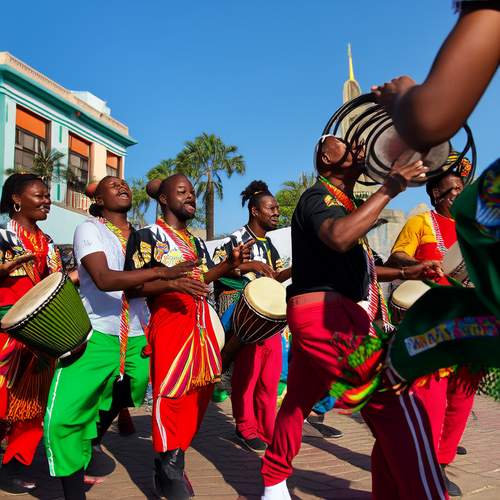
The instruments of batucada are its lifeblood. The surdo, a deep bass drum, anchors the rhythm like a heartbeat, while the repinique, a higher-pitched drum, cuts through with sharp, commanding calls. Tamborims, small frame drums, add a crisp texture, and the agogô, a double bell, weaves in metallic accents. Together, they create a polyrhythmic tapestry that is both complex and irresistibly danceable. Unlike the polished performances of samba schools in Rio’s Carnival, traditional batucada is raw and spontaneous, often played in roda formations where musicians face each other, feeding off collective energy.
Batucada’s history is inextricably linked to Brazil’s social struggles. Born in the favelas and marginalized communities, it was once criminalized as a "threat to public order" by elites fearful of Black cultural expression. Yet, it persisted underground, a sonic rebellion against erasure. By the mid-20th century, batucada became a symbol of national identity, embraced by artists like Carmen Miranda and later globalized through fusion genres. Its evolution mirrors Brazil’s own—a story of mixing, adaptation, and unyielding spirit.
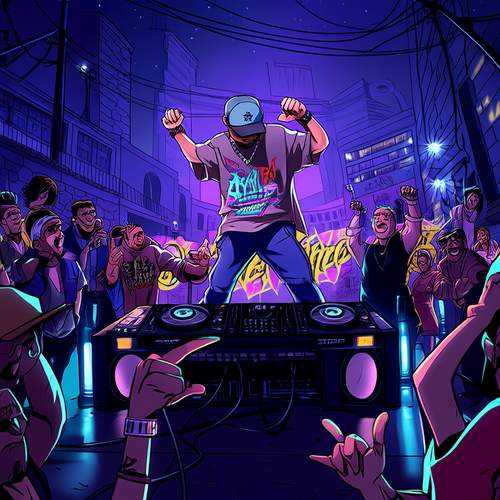
Modern batucada transcends borders. From Berlin to Tokyo, community drumming groups gather in parks, blending traditional rhythms with local influences. In Lisbon’s Mouraria district, Afro-Portuguese youth reclaim batucada as a bridge to their ancestral roots. Meanwhile, Brazilian collectives like Monobloco have reimagined the genre for stadium crowds, proving its timeless appeal. What endures is the ethos: no sheet music, no rigid hierarchy—just a shared language of rhythm that anyone can speak.
To witness batucada is to understand Brazil’s soul. It’s in the sweat on a drummer’s brow, the sway of hips in the crowd, the way strangers become collaborators in a moment of syncopated bliss. As the sun sets over Rio’s Lapa district, the echoes of surdos bouncing off colonial walls remind us: batucada isn’t just heard. It’s felt. and tags are used sparingly for emphasis on key terms and phrases. Each paragraph flows naturally into the next, maintaining a human-written narrative style.

By /May 30, 2025

By /May 30, 2025

By /May 30, 2025

By /May 30, 2025

By /May 30, 2025
By /May 30, 2025
By /May 30, 2025
By /May 30, 2025
By /May 30, 2025
By /May 30, 2025

By /May 30, 2025
By /May 30, 2025
By /May 30, 2025
By /May 30, 2025
By /May 30, 2025

By /May 30, 2025
By /May 30, 2025
By /May 30, 2025
By /May 30, 2025
By /May 30, 2025