The world of electronic music has always been a pulsating, ever-evolving entity, but few movements have captured the collective imagination quite like the rave culture. Born from the underground scenes of the 1980s and 1990s, rave culture has transcended its humble beginnings to become a global phenomenon. It’s more than just music; it’s a lifestyle, a rebellion, and a communal experience that unites people across borders. The thumping basslines, neon lights, and euphoric crowds create an atmosphere that’s both electrifying and deeply personal. Rave culture isn’t just about dancing the night away—it’s about freedom, expression, and a shared sense of belonging.
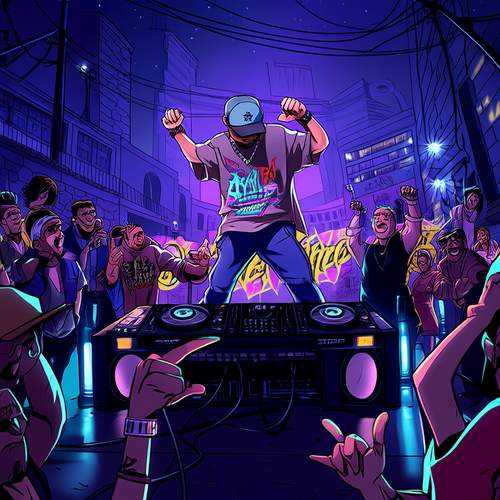
The origins of rave culture can be traced back to the underground parties of Chicago, Detroit, and later, the UK. These early gatherings were often held in abandoned warehouses, fields, or any space large enough to accommodate a sound system and a crowd of eager revelers. The music was raw, experimental, and unapologetically loud. DJs like Frankie Knuckles, Larry Levan, and later, figures like Carl Cox and Sasha, became the architects of a sound that would define a generation. The ethos of these early raves was simple: music, unity, and an escape from the mundane. There were no rules, no dress codes, just pure, unadulterated energy.
As the scene grew, so did its influence. By the early 1990s, rave culture had exploded across Europe, with countries like Germany, Belgium, and the Netherlands embracing the movement with open arms. Festivals like Love Parade in Berlin and Thunderdome in the Netherlands became meccas for ravers, drawing crowds in the hundreds of thousands. The music evolved too, splintering into subgenres like techno, house, drum and bass, and trance. Each brought its own flavor to the rave experience, but the core principles remained the same: inclusivity, freedom, and a love for the beat.
One of the most fascinating aspects of rave culture is its DIY spirit. In the early days, organizers operated on the fringes of legality, often avoiding authorities by moving locations at the last minute. Flyers were handed out in secret, and word of mouth was the most reliable form of promotion. This underground nature only added to the allure, creating a sense of exclusivity and adventure. Even today, despite the commercialization of many major festivals, there’s still a thriving underground scene where this spirit lives on. Secret locations, impromptu sets, and a focus on community over profit keep the roots of rave culture alive.
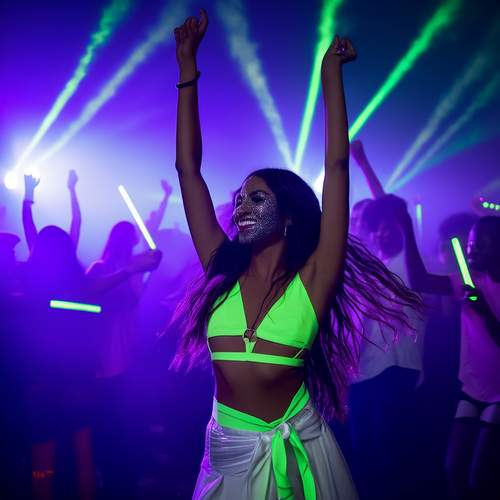
The visual and sensory elements of rave culture are just as important as the music. From the iconic smiley face symbol to the kaleidoscopic light shows, every detail is designed to enhance the experience. Glow sticks, LED gloves, and elaborate costumes are commonplace, turning the dance floor into a living, breathing work of art. The use of psychedelic visuals and immersive stage designs has become a staple of modern raves, blurring the line between reality and fantasy. It’s a multisensory journey that leaves a lasting impression on everyone who takes part.
Of course, no discussion of rave culture would be complete without addressing its relationship with drugs. The use of substances like ecstasy (MDMA) has been intertwined with the scene since its inception, often credited with enhancing the sensory and emotional aspects of the experience. While this has led to controversies and crackdowns, it’s also sparked important conversations about harm reduction and safe partying. Organizations like DanceSafe have emerged to provide education and resources, ensuring that ravers can enjoy themselves responsibly. The culture has matured in many ways, but the debate around drugs and safety remains a complex and ongoing issue.
In recent years, rave culture has faced both challenges and opportunities. The rise of social media and streaming platforms has made electronic music more accessible than ever, but it’s also diluted some of the underground mystique. Mainstream festivals like Tomorrowland and Ultra have brought rave culture to the masses, but critics argue that the corporate influence has sanitized the experience. Despite this, the heart of the movement still beats strong. Underground collectives, independent labels, and grassroots events continue to push boundaries, ensuring that the spirit of rave culture endures.
The future of rave culture is as unpredictable as its past. New technologies like virtual reality and AI are beginning to shape the way we experience music and communal events. The pandemic forced the scene to adapt, with livestreamed raves and digital festivals offering a temporary solution. But as the world reopens, there’s a renewed hunger for in-person connections. The next chapter of rave culture will likely be a blend of the old and the new, combining the raw energy of the underground with the innovations of the digital age. One thing is certain: as long as there are people who crave connection, freedom, and a killer beat, rave culture will continue to thrive.
At its core, rave culture is a testament to the power of music to bring people together. It’s a celebration of individuality and collective joy, a space where everyone is welcome and anything feels possible. Whether you’re a seasoned raver or a curious newcomer, the dance floor is always open. The music never stops, and neither does the movement. So put on your brightest outfit, lose yourself in the rhythm, and become part of something bigger than yourself. After all, that’s what raving is all about.

By /May 30, 2025

By /May 30, 2025
By /May 30, 2025

By /May 30, 2025
By /May 30, 2025
By /May 30, 2025
By /May 30, 2025
By /May 30, 2025
By /May 30, 2025
By /May 30, 2025

By /May 30, 2025
By /May 30, 2025
By /May 30, 2025

By /May 30, 2025
By /May 30, 2025
By /May 30, 2025
By /May 30, 2025
By /May 30, 2025
By /May 30, 2025
By /May 30, 2025