The world of K-pop has captivated global audiences with its polished performances, catchy tunes, and meticulously trained idols. At the heart of this phenomenon lies the rigorous and often grueling system of the K-pop trainee, where young aspirants undergo years of training before they can even dream of debuting on stage. The trainee system is both revered and criticized, serving as a crucible that shapes raw talent into the glittering stars that dominate charts worldwide.
Becoming a K-pop idol is no simple feat. Most trainees are scouted at a young age, sometimes as early as their pre-teens, and enter into contracts with entertainment companies like SM, YG, or JYP. These agencies are notorious for their highly competitive environments, where dozens—sometimes hundreds—of trainees vie for a single spot in a debut group. The selection process is ruthless, with weekly evaluations testing singing, dancing, rap skills, and even personality and visual appeal. Those who fail to meet expectations are often cut without warning, a reality that underscores the high-stakes nature of the industry.
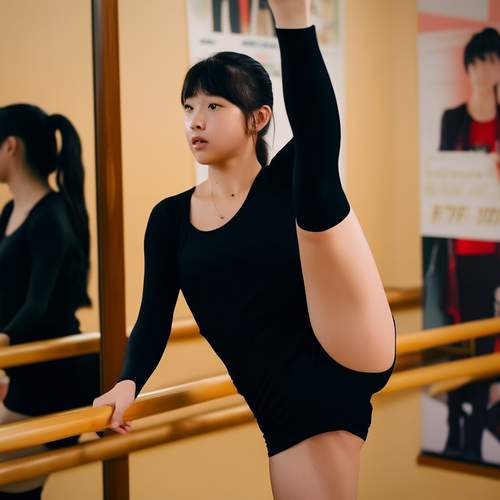
The daily life of a trainee is far from glamorous. Many live in dormitories provided by their agencies, sharing cramped spaces with fellow trainees while adhering to strict schedules. Days begin before sunrise with vocal lessons, followed by hours of dance practice, language classes (particularly English, Japanese, and Mandarin to cater to international markets), and media training. Physical fitness and diet are tightly controlled, with some companies imposing weight limits and regular check-ins. The pressure to maintain a certain image is immense, and mental health struggles among trainees are an open secret in the industry.
Despite the hardships, the allure of fame keeps the trainee system flooded with hopefuls. South Korea’s entertainment companies have perfected the art of manufacturing stars, and the global success of groups like BTS, BLACKPINK, and TWICE proves the model’s effectiveness. For every idol that makes it, however, countless others leave the system disillusioned, having sacrificed their education and youth for a dream that never materialized. Critics argue that the trainee system borders on exploitation, with little regard for the well-being of its participants.
Yet, the trainee system also offers opportunities that are hard to find elsewhere. For many young people from modest backgrounds, it represents a shot at upward mobility and international stardom. Agencies invest heavily in their trainees, providing top-tier training in performance, production, and even acting. Some former trainees who don’t debut still find success in the entertainment industry as backup dancers, vocal coaches, or variety show personalities. The skills and discipline they acquire often serve them well in other careers.
The globalization of K-pop has further complicated the trainee landscape. Companies now actively recruit foreign trainees, particularly from China, Japan, Thailand, and even Western countries, to create groups with broad appeal. This has led to a more diverse pool of idols but also raised questions about cultural representation and the pressures faced by non-Korean trainees adapting to a foreign system. Language barriers, homesickness, and the intense scrutiny of foreign fans add layers of difficulty to an already demanding journey.
As K-pop continues to dominate global music markets, the trainee system remains both its backbone and its most controversial element. While it produces some of the most talented and disciplined performers in the world, the human cost cannot be ignored. Reforms have been slow, but some agencies are beginning to address issues like mental health support and more flexible training schedules. Whether these changes will humanize the system or simply make it more efficient remains to be seen.
For now, the dream of becoming a K-pop idol continues to draw thousands of young hopefuls into the trainee life. Behind the dazzling performances and adoring fans lies a world of sacrifice, perseverance, and, for a lucky few, the realization of a dream that once seemed impossible. The trainee system may be flawed, but its role in shaping the global phenomenon of K-pop is undeniable.

By /May 30, 2025

By /May 30, 2025

By /May 30, 2025

By /May 30, 2025

By /May 30, 2025

By /May 30, 2025
By /May 30, 2025
By /May 30, 2025

By /May 30, 2025

By /May 30, 2025

By /May 30, 2025

By /May 30, 2025

By /May 30, 2025
By /May 30, 2025
By /May 30, 2025

By /May 30, 2025

By /May 30, 2025

By /May 30, 2025

By /May 30, 2025

By /May 30, 2025