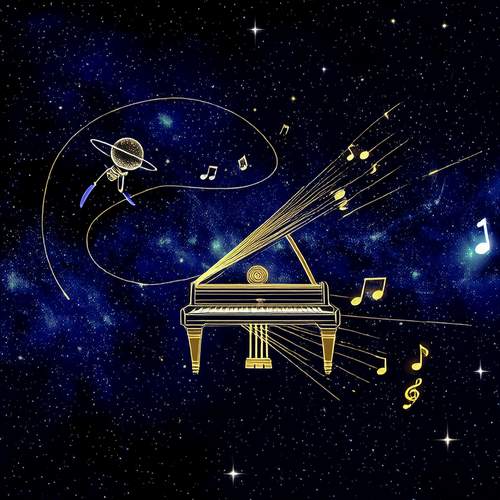
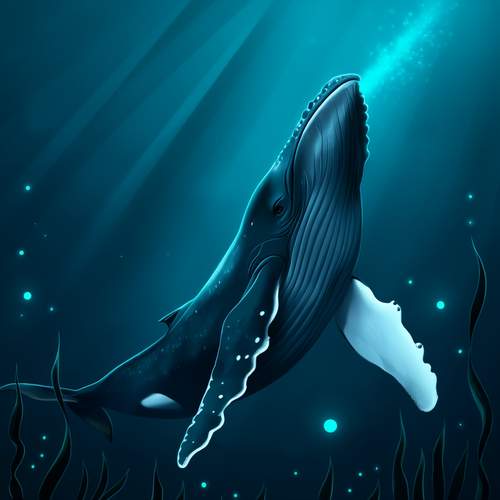
The haunting melodies of humpback whales have long captivated scientists and ocean enthusiasts alike. These complex vocalizations, often referred to as "whale songs," follow intricate patterns that some researchers now compare to grammatical structures in human language. Beneath the ocean's surface, a sophisticated form of communication unfolds - one that may challenge our understanding of animal intelligence.
For decades, marine biologists have documented how male humpback whales compose ever-changing songs during mating seasons. Each population develops distinct musical themes that evolve throughout the breeding period. What began as simple recordings of underwater sounds has transformed into a cutting-edge field studying potential syntax rules governing these aquatic symphonies.
Recent studies suggest whale songs contain hierarchical organization similar to human language components. Phrases combine into themes, which repeat in specific sequences to form complete songs lasting up to thirty minutes. When analyzed through advanced audio software, these compositions reveal nested structures that may convey meaning through their arrangement - a hallmark of grammatical communication.
The most striking discovery emerged when researchers observed cultural transmission of song patterns across ocean basins. Entire whale populations in the South Pacific have been documented adopting and modifying musical phrases from distant groups, sometimes within a single season. This rapid cultural exchange implies the existence of learned conventions - another parallel with human language development.
Marine acousticians now employ sophisticated hydrophone arrays and machine learning algorithms to decode potential grammatical rules. Some hypothesize that whales use recursive structures, embedding phrases within phrases to create complex messages. Others suggest temporal patterns create meaning through rhythm and repetition. The debate continues as researchers gather more data from migratory routes across the world's oceans.
Critics argue that calling these patterns "grammar" anthropomorphizes animal behavior. They caution that structural complexity doesn't necessarily equate to linguistic meaning. However, proponents counter that dismissing potential cetacean language capabilities reflects human bias rather than scientific objectivity. The controversy has sparked interdisciplinary collaborations between marine biologists, linguists, and cognitive scientists.
Technological advancements have revealed surprising nuances in whale communication. High-resolution recordings show individual whales improvising variations on common themes, much like jazz musicians. Some specimens demonstrate exceptional vocal range, producing frequencies spanning multiple octaves. These findings suggest whale songs may serve multiple functions beyond mating displays - possibly including individual identification, navigation, or even storytelling.
The conservation implications of this research are profound. As ocean noise pollution increases from shipping and industrial activity, scientists worry it may disrupt these intricate acoustic systems. Some researchers speculate that certain song patterns could represent cultural heritage passed down through whale generations. Protecting these acoustic environments may prove crucial for preserving cetacean cultures we're only beginning to understand.
Ongoing studies now explore whether other whale species demonstrate similar grammatical capabilities. Early evidence suggests sperm whales may communicate using patterned click sequences, while orcas appear to have distinct vocal dialects across pods. Each discovery adds another layer to our understanding of marine mammal cognition and social complexity.
As research continues, one thing becomes clear: the ocean depths hold communication systems far more sophisticated than previously imagined. Whether these ultimately meet the strict definition of language or represent something uniquely cetacean, whale songs undeniably represent one of nature's most extraordinary acoustic phenomena. Their study not only illuminates the minds of these marine giants but also challenges our fundamental assumptions about consciousness and communication in the animal kingdom.

By /May 30, 2025

By /May 30, 2025
By /May 30, 2025

By /May 30, 2025
By /May 30, 2025

By /May 30, 2025

By /May 30, 2025

By /May 30, 2025

By /May 30, 2025

By /May 30, 2025

By /May 30, 2025

By /May 30, 2025

By /May 30, 2025

By /May 30, 2025

By /May 30, 2025

By /May 30, 2025

By /May 30, 2025

By /May 30, 2025

By /May 30, 2025

By /May 30, 2025