Flamenco Duende

May 30, 2025 By

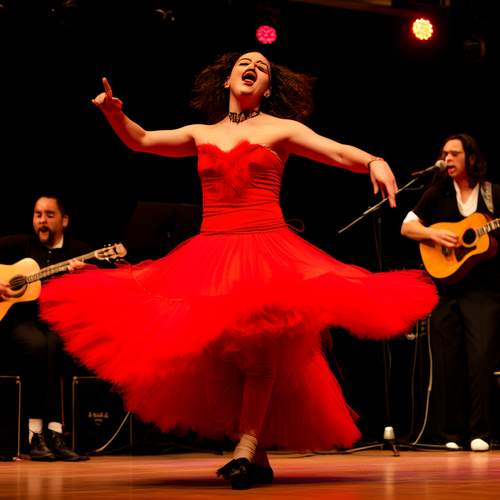
The concept of duende in Flamenco is one of those elusive, almost mystical elements that defies simple explanation. It’s the soul of the art form, the raw, unfiltered emotion that surges through the dancer’s body, the singer’s voice, and the guitarist’s fingers. Unlike technical mastery or polished performance, duende is something that can’t be taught or rehearsed—it either arrives or it doesn’t. And when it does, it transforms Flamenco from a mere spectacle into a transcendent experience.

To understand duende, one must first grasp the cultural and emotional weight of Flamenco itself. Born in the Andalusian region of Spain, Flamenco is a fusion of Gypsy, Moorish, and Spanish folk traditions. It’s a art form steeped in suffering, passion, and resilience. The songs, or cantes, often speak of love, loss, and longing, while the dance and music channel these emotions into something almost physical. Duende is what happens when a performer taps into this deep well of feeling and lets it consume them—and, by extension, the audience.

The term itself is slippery. Some say it derives from folklore, referring to a mischievous spirit or goblin. Others argue it’s a metaphor for the shadowy, uncontrollable force that overtakes an artist in moments of pure expression. Federico García Lorca, the Spanish poet who famously wrote about duende, described it as "a power, not a work… a struggle, not a thought." It’s not about beauty or technique; it’s about truth. When a Flamenco singer’s voice cracks with emotion or a dancer’s foot strikes the floor with such force it seems to shake the room, that’s duende.

Witnessing duende is rare, even in Flamenco. Many performers spend their entire careers chasing it, but it can’t be summoned on command. It’s often tied to moments of vulnerability—when the artist is so deeply immersed in the emotion of the performance that they lose themselves. The audience, in turn, feels it like an electric current. There’s a palpable shift in the air, a collective holding of breath. It’s not just applause that follows such a moment; it’s often silence, or even tears.

Modern Flamenco, with its global reach and evolving styles, still grapples with the idea of duende. Some purists argue that commercialization and fusion with other genres have diluted its essence. Others believe duende can exist in new forms, adapting to contemporary interpretations of the art. What remains unchanged, though, is the hunger for that ineffable spark—the moment when Flamenco stops being performance and becomes something alive, something almost supernatural.

In the end, duende is what makes Flamenco more than just music or dance. It’s the reason this art form has endured for centuries, captivating audiences far beyond its Spanish roots. It’s a reminder that true artistry isn’t about perfection—it’s about humanity, in all its messy, glorious intensity. And when duende strikes, it’s nothing short of magic.
Recommend Posts
Music

Understanding the Impact of Social Media on Mental Health: A Comprehensive Analysis

By /May 30, 2025

The intersection of technology and art has reached new heights with the emergence of music robots - mechanical marvels that are redefining creativity in the digital age. These sophisticated machines blend precision engineering with artistic expression, creating a fascinating new chapter in musical innovation.
Music

Seismic Data Music

By /May 30, 2025

The intersection of seismic data and musical composition has emerged as one of the most fascinating interdisciplinary explorations in recent years. What began as a scientific endeavor to understand Earth's movements has evolved into an unexpected artistic medium. By translating raw geological vibrations into audible frequencies, researchers and musicians alike have uncovered a hidden symphony beneath our feet—a sonic representation of the planet's unseen activity.
Music

Cosmic Electromagnetic Wave Music

By /May 30, 2025

The universe is not silent. While we often think of space as a vast, empty void, it is in fact filled with a symphony of electromagnetic waves that have been traveling across the cosmos for billions of years. These waves, invisible to the human eye, carry with them the secrets of distant stars, galaxies, and even the remnants of the Big Bang itself. Scientists and musicians alike have begun to explore how these cosmic signals can be translated into sound, creating what is now known as "cosmic electromagnetic wave music." This emerging field blends astrophysics with artistry, offering a new way to experience the universe.
Music

Plant Growth Music

By /May 30, 2025

The concept of music influencing plant growth has fascinated botanists, musicians, and gardeners alike for decades. While it may sound like something out of a science fiction novel, numerous studies and anecdotal evidence suggest that sound vibrations, particularly music, can indeed affect how plants develop. From classical compositions to ambient electronic tones, the idea that plants might "respond" to music opens up a world of possibilities for both agriculture and home gardening.
Music

Whale Song Grammar

By /May 30, 2025

The haunting melodies of humpback whales have long captivated scientists and ocean enthusiasts alike. These complex vocalizations, often referred to as "whale songs," follow intricate patterns that some researchers now compare to grammatical structures in human language. Beneath the ocean's surface, a sophisticated form of communication unfolds - one that may challenge our understanding of animal intelligence.
Music

Japanese Gagaku

By /May 30, 2025

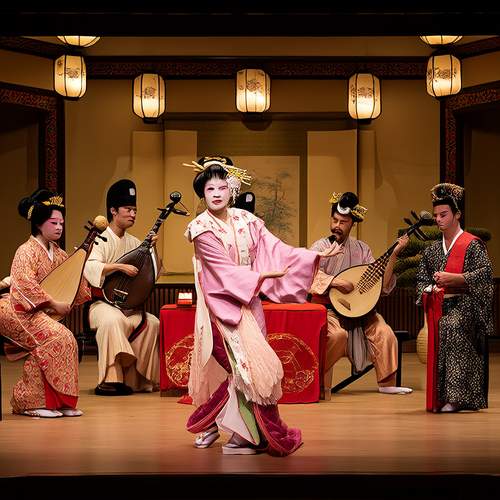
Japanese Gagaku, the ancient imperial court music and dance, stands as one of the world's oldest continuously performed musical traditions. With roots stretching back over a millennium, this art form embodies the elegance and solemnity of Japan's aristocratic past. Unlike many other traditional music styles that evolved through folk practices, Gagaku was meticulously preserved within the imperial household and major shrines, allowing it to survive nearly unchanged through centuries of political and social upheaval.
Music

Indonesian Gamelan

By /May 30, 2025

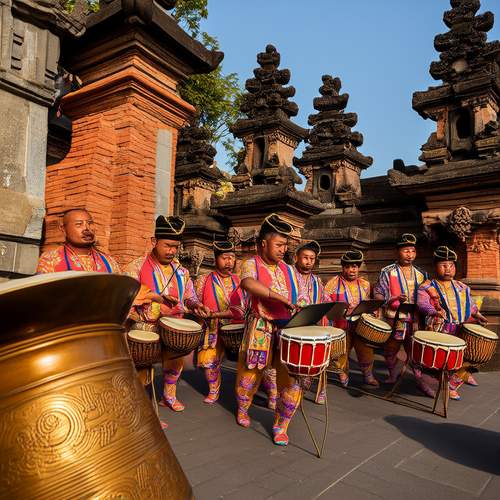
The enchanting sounds of the gamelan have long been a cornerstone of Indonesian cultural identity. This traditional ensemble, composed predominantly of percussive instruments, is more than just music—it is a living embodiment of the nation's history, spirituality, and communal values. From the royal courts of Java to the villages of Bali, the gamelan's resonant tones evoke a sense of timelessness, connecting the present to centuries of artistic tradition.
Music

Brazilian Batucada"

By /May 30, 2025

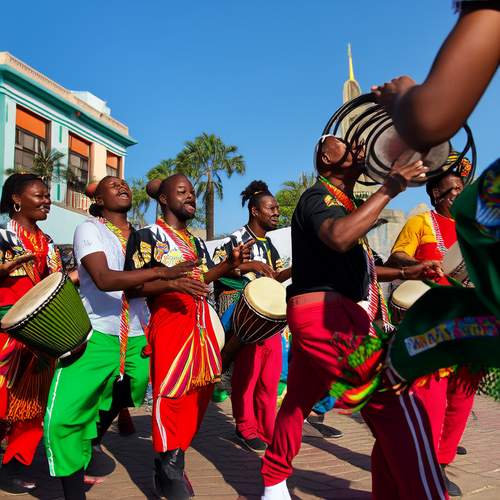
In the heart of Brazil's vibrant cultural landscape, batucada emerges as a rhythmic force that pulses through the streets, festivals, and collective memory of the nation. This percussive style, rooted in Afro-Brazilian traditions, is more than just music—it’s a living, breathing expression of community, resistance, and joy. The term "batucada" itself derives from the Kimbundu word "batucar," meaning to beat or strike, a linguistic nod to its African origins. Today, it stands as a testament to the resilience of enslaved Africans who transformed their pain into art, their oppression into a celebration of life.
Music

Flamenco Duende

By /May 30, 2025

The concept of duende in Flamenco is one of those elusive, almost mystical elements that defies simple explanation. It’s the soul of the art form, the raw, unfiltered emotion that surges through the dancer’s body, the singer’s voice, and the guitarist’s fingers. Unlike technical mastery or polished performance, duende is something that can’t be taught or rehearsed—it either arrives or it doesn’t. And when it does, it transforms Flamenco from a mere spectacle into a transcendent experience.
Music

Irish Session"

By /May 30, 2025

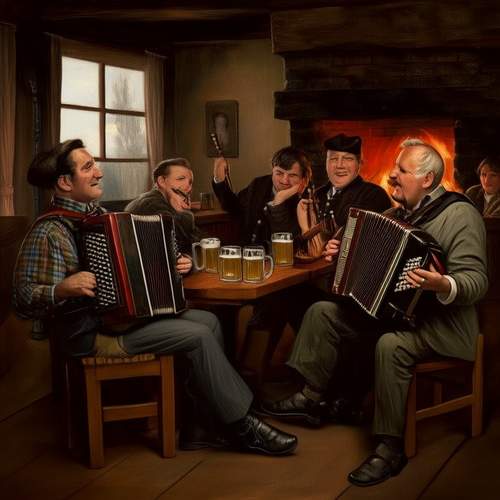
The Irish session, known as the seisiún in Gaelic, represents one of the most authentic expressions of traditional Irish music culture. Unlike formal concerts or staged performances, these gatherings thrive on spontaneity, community participation, and the raw energy of shared musical heritage. Typically held in pubs, living rooms, or community centers, sessions blur the line between performer and audience, creating a space where music lives and breathes organically.
Music

Peru Quena Flute

By /May 30, 2025

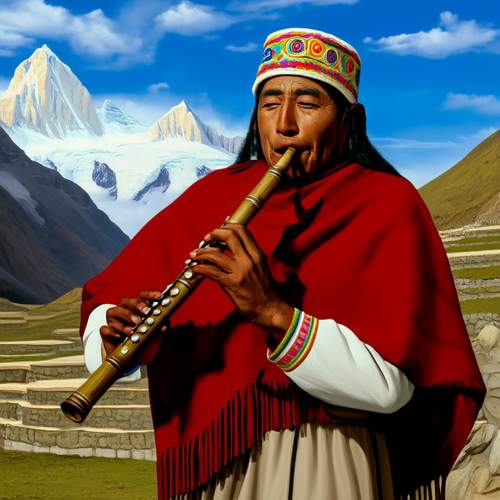
The haunting, breathy tones of the quena flute have echoed through the Andes for centuries, carrying with them the soul of Peruvian musical tradition. Unlike many other wind instruments, the quena’s distinct sound—simultaneously melancholic and uplifting—has made it an enduring symbol of indigenous Andean culture. Carved from bamboo or wood, this notched flute predates the Inca Empire, with archaeological evidence suggesting its use in ancient rituals and communal celebrations. Today, the quena remains a vital part of both traditional and contemporary Peruvian music, bridging the gap between ancestral heritage and modern expression.
Music

African Griot Epics

By /May 30, 2025

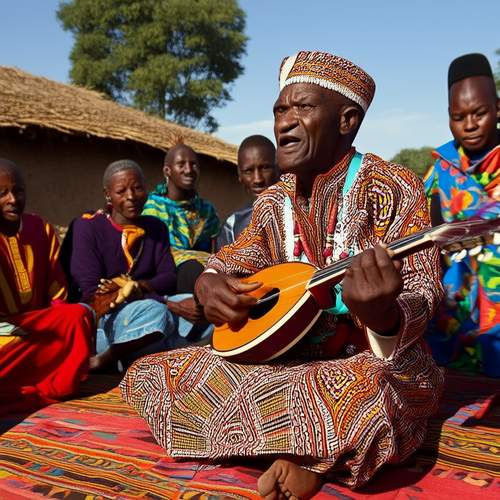
The griot tradition of West Africa represents one of the continent's most enduring and vibrant oral art forms. These hereditary bards have served as living libraries for centuries, preserving history, genealogy, and cultural wisdom through their mesmerizing performances. Unlike written records that gather dust on shelves, the griot's knowledge pulses with life through rhythmic speech, melodic kora playing, and the call-and-response participation of audiences. Their performances transform historical events into dramatic narratives where facts intertwine with philosophy, where ancestral deeds become moral compasses for contemporary life.
Music

The Indian Oral Tradition

By /May 30, 2025

The oral tradition of India stands as one of the most vibrant and enduring cultural phenomena in human history. Passed down through generations, these narratives, songs, and chants have shaped the collective memory of a civilization that spans millennia. Unlike written texts, which are bound by the constraints of literacy and preservation, India's oral traditions thrive in the living voices of storytellers, bards, and everyday people. They are not merely relics of the past but dynamic expressions that continue to evolve, reflecting the ever-changing tapestry of Indian society.
Music

Chinese Guqin Jianzimu Score

By /May 30, 2025

The ancient Chinese guqin, a seven-stringed zither, holds a revered place in the cultural and musical history of China. Among its many unique features, the guqin's notation system—known as jianzipu or "simplified character notation"—stands out as a fascinating blend of calligraphy, music, and philosophy. Unlike Western musical notation, which relies on staff lines and note symbols, jianzipu employs a complex system of abbreviated Chinese characters to convey not only pitch and rhythm but also the nuanced techniques required to play the instrument. This system has preserved the guqin's repertoire for centuries, offering a window into the artistic and intellectual world of ancient China.
Music

K-pop Trainee

By /May 30, 2025

The world of K-pop has captivated global audiences with its polished performances, catchy tunes, and meticulously trained idols. At the heart of this phenomenon lies the rigorous and often grueling system of the K-pop trainee, where young aspirants undergo years of training before they can even dream of debuting on stage. The trainee system is both revered and criticized, serving as a crucible that shapes raw talent into the glittering stars that dominate charts worldwide.
Music

Electronic Music Rave

By /May 30, 2025

The world of electronic music has always been a pulsating, ever-evolving entity, but few movements have captured the collective imagination quite like the rave culture. Born from the underground scenes of the 1980s and 1990s, rave culture has transcended its humble beginnings to become a global phenomenon. It’s more than just music; it’s a lifestyle, a rebellion, and a communal experience that unites people across borders. The thumping basslines, neon lights, and euphoric crowds create an atmosphere that’s both electrifying and deeply personal. Rave culture isn’t just about dancing the night away—it’s about freedom, expression, and a shared sense of belonging.
Music

Hip-Hop Block Party

By /May 30, 2025

The concrete jungle comes alive when the bass drops and the crowd surges forward. Block parties have always been the lifeblood of hip-hop culture, serving as both a celebration of community and a proving ground for raw talent. From the Bronx in the 1970s to neighborhoods across the globe today, these gatherings remain sacred spaces where music, dance, and unfiltered expression collide.
Music

Disco Stonewall

By /May 30, 2025

The Stonewall riots of 1969 marked a pivotal moment in the fight for LGBTQ+ rights, igniting a movement that would reshape social and political landscapes worldwide. What began as a spontaneous uprising against police harassment at the Stonewall Inn in New York City’s Greenwich Village became a symbol of resistance and solidarity. The events of those hot summer nights were not just a reaction to one raid but a culmination of years of systemic oppression, frustration, and the growing demand for visibility and equality.
Music

Rock Music Transistors

By /May 30, 2025

The world of music has always been shaped by technological advancements, and few inventions have had as profound an impact as the transistor. When it comes to rock 'n' roll, the transistor didn’t just amplify sound—it amplified rebellion, freedom, and a cultural revolution. The marriage of rock music and transistor technology in the mid-20th century didn’t just change how music was heard; it changed how it was experienced, shared, and ultimately, how it defined generations.
Music

Jazz and Prohibition

By /May 30, 2025

The smoky haze of speakeasies, the clandestine clink of glasses, and the rebellious wail of trumpets—these are the sensory imprints of an era when jazz and prohibition collided in America. The 1920s weren't just about banned liquor; they were about the birth of a cultural revolution where jazz became the soundtrack of defiance. This was a time when the underground thrived, and music became the lifeblood of a generation refusing to be silenced.